
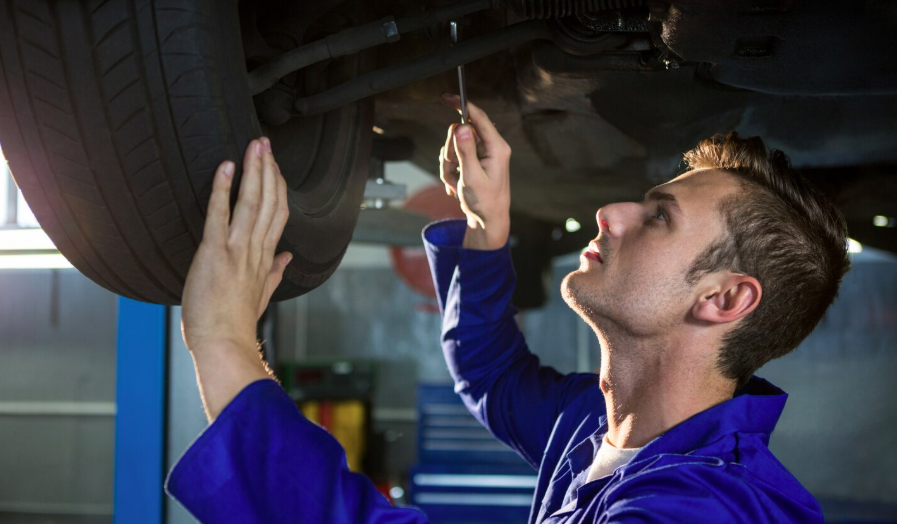
A smooth ride starts with a healthy suspension system. It helps your vehicle move over bumps, handle turns, and stay steady on the road. Every part has a role in keeping the ride safe and comfortable. Regular checks help these parts work together and support better vehicle control.
A worn suspension part affects more than ride quality. It also changes how your tires meet the road and how your vehicle responds to steering. Professional auto suspension repair service in Grand Rapids helps drivers keep these parts in good shape through careful checks and timely service.
How Does the Suspension System Improve Driving Comfort?
The suspension system connects the vehicle's wheels to its body. It absorbs road shocks and helps keep the tires in contact with the road. As a result, passengers enjoy a smoother ride, even on rough streets.
Several parts work together to support this process.
1. Shock Absorbers
Shock absorbers control the movement of the springs. They help prevent the vehicle from bouncing after it passes over a bump. They also support steady tire contact with the road.
During an inspection, technicians check for fluid leaks, worn seals, and changes in shock performance. Proper shock absorber care helps the vehicle stay balanced during turns and stops.
2. Struts
Struts support the vehicle's weight and help control wheel movement. They also form part of the steering and suspension setup in many vehicles.
A professional check covers the strut body, mounts, and related parts. Good strut condition supports stable handling and a more even ride.
3. Springs
Springs carry the vehicle's weight and absorb energy from bumps. They help maintain the right ride height and support the vehicle as its load changes.
Technicians inspect springs for cracks, rust, and signs of wear. They also check whether the vehicle stands at an even height on all sides.
4. Ball Joints and Control Arms
Ball joints allow the wheels to move as the vehicle turns and travels over uneven roads. Control arms connect the suspension to the vehicle frame and guide wheel movement.
These parts play a key role in steering and wheel control. Their condition helps support smooth movement and proper alignment.
Why Should Drivers Schedule Regular Suspension Inspections?
Regular inspections help technicians spot wear and keep the suspension system working as designed. They also give drivers a clear view of which parts need attention.
Here are some key reasons to schedule professional checks:
Better Ride Comfort: Healthy suspension parts absorb road shocks and reduce the impact of bumps. This helps passengers enjoy a smoother ride during daily trips and long drives.
Steadier Handling: The suspension supports tire contact with the road. Proper care helps the vehicle respond to steering inputs and remain balanced during turns.
Even Tire Wear: Suspension parts affect wheel alignment and tire position. Regular checks help keep the wheels in the right position, which supports even tire wear.
Improved Braking Stability: A well-kept suspension helps the tires stay in contact with the road during braking. This supports stable vehicle movement as the driver slows down.
Longer Part Life: Early checks help technicians understand how suspension parts work together. Timely service supports the full system and helps manage repair needs.
Drivers who need car suspension repair in Grand Rapids benefit from a complete inspection before technicians plan the work. This helps match the service to the vehicle's condition.
Which Suspension Parts Do Technicians Check During an Inspection?
A proper suspension inspection covers more than shocks and springs. Technicians review several parts to understand the system as a whole.
|
Suspension Part |
What Technicians Check |
Why It Matters |
|
Shock absorbers |
Leaks, seals, and movement |
Supports a smooth ride |
|
Struts |
Mounts, body, and wear |
Helps control wheel movement |
|
Springs |
Cracks and ride height |
Supports vehicle weight |
|
Ball joints |
Joint movement and wear |
Helps maintain wheel control |
|
Control arms |
Bushings and joints |
Supports stable handling |
|
Bushings |
Cracks and wear |
Reduces unwanted movement |
|
Sway bar links |
Joints and connections |
Helps control body roll |
Technicians also review the vehicle's tires and wheel alignment. These checks help them understand how suspension parts affect vehicle movement.
How Do Professional Shops Handle Suspension Repairs?
The repair process starts with a full inspection. Technicians review the vehicle's make, model, mileage, and reported ride concerns. They then inspect the suspension parts and use the right tools to assess their condition.
After the inspection, the shop explains the required work. This plan might include replacing worn shocks, servicing struts, or changing damaged bushings. The exact service depends on the vehicle and the condition of its parts.
Drivers searching for car suspension shops near them should look for trained staff, proper testing tools, and clear repair plans. A good shop explains each repair and keeps the work focused on the vehicle's needs.
Once the service is complete, technicians check the repaired parts and review wheel alignment when required. They also confirm proper installation and test the vehicle's handling. These steps help ensure the suspension works as expected.
What Signs Show Your Suspension Needs Professional Attention?
Your vehicle often gives clear signs when its suspension needs an inspection. Paying attention to these changes helps you schedule service at the right time.
Look out for:
● Uneven Ride Height: One side of the vehicle appears lower than the other. This points to a possible issue with springs or related parts.
● Excessive Bouncing: The vehicle continues to bounce after passing over a bump. This calls for a check of the shocks and struts.
● Steering Changes: The steering feels less steady or the vehicle pulls to one side. Technicians inspect the suspension and alignment to find the cause.
● Unusual Sounds: Clunks or knocks over bumps deserve a closer look at joints, mounts, and bushings.
● Uneven Tire Wear: Different wear patterns across the tires often point to alignment or suspension concerns.
Professional car suspension system repair starts with finding the source of these signs. A full check helps technicians choose the right service instead of replacing parts without a clear reason.
Final Thought
A healthy suspension system supports comfort, balance, steering, and tire contact. Regular inspections help keep every part in good working order. They also give drivers a clear plan for vehicle care. Skilled certified car repair mechanics in Grand Rapids use proper tools and careful checks to support a smooth, steady ride on every journey.